
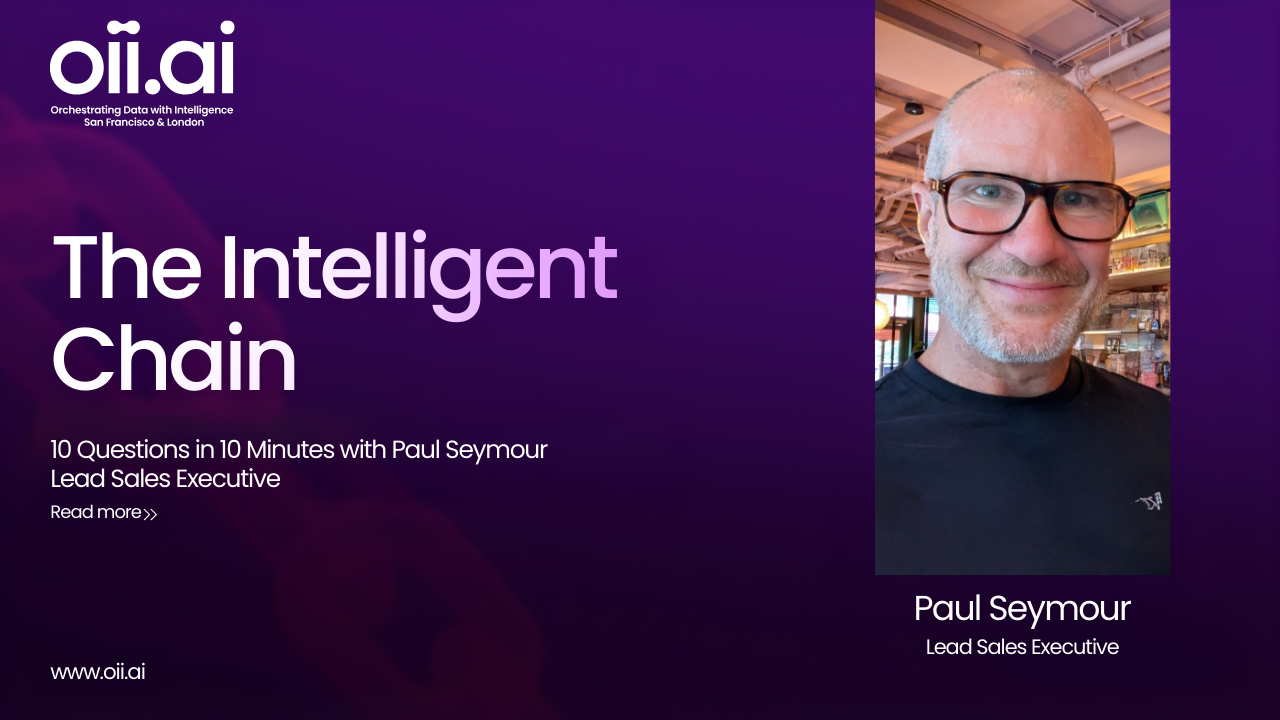
1. What first sparked your interest in sourcing and supply chain, and how did that early curiosity shape the path you’re on today?
I've always been a problem solver and I've always been interested in how things are made. My two favourite subjects at school were geography and economics - they have shaped everything about the path I'm on today; from process to working capital.
2. What’s one habit or mindset that helps you stay grounded during fast-paced transformation work?
Reflection is a habit that I use quite a lot. I have a list of questions that I ask myself on a weekly basis as part of a growth mindset structure which somebody taught me a few years ago. The structured questions keep my mind focused on what the outcomes and the objectives are.
3. What’s a skill you’ve developed later in your career that you wish you had learned earlier?
To be able to reflect. Structure around learning, and reflection has really taken my career in a different direction and delivered different results to what I was getting before.
4. You’ve delivered measurable impact in efficiency, cost savings, and delivery times. Can you share a transformation you’re particularly proud of?
I worked at a large UK retailer and we tried to transform the way that they approached sourcing. We were given a blank canvas of what the function should look like and we built it from the ground up. We fundamentally changed the way the retailer bought clothing.
5. You’re recognised for building and leading high-performing teams. What’s one leadership habit that you find makes the biggest difference?
Objective, key, results. Strategy is never one document or one idea, it’s a culmination of lots of documents and lots of ideas - so doing comprehensive and holistic background research before setting a strategy, and then creating delivers results. That’s what I've seen really changed teams and how they perform.
6. In your work with retail and consumer brands, what do you think people often misunderstand about how modern retail supply chains actually operate?
How one-dimensional they can be and how easily broken they are. We all expect to have toys arriving at Christmas, food arriving in the supermarkets, and fruits from overseas. People forget that we're a net import economy and we rely on a lot of trade that comes from overseas. Small changes can have really big impacts - We saw it during COVID.
7. What is the best piece of advice you have received that has shaped the way you lead or think?
Think humanly, behave humanly, and treat people and ideas with respect, because you never know which the winners are until you've tried them.
8. Looking back across your career, what’s one decision that had a bigger impact on your path than you expected?
Being made redundant from a full-time role I had been at for 17 years. It opened my eyes up to everything else that was happening in the world, and what the opportunities were. One door closes, another one opens. And I'm very much a believer of that. I think that everybody waits for the right time and the right time is now, right now.
9. Can you name a person, book, podcast, or idea that has influenced your thinking recently?
It was a combination of all of those actually - It was the course that I did. The Oxford University course on the Artificial Intelligence Programme has fundamentally shifted my mindset in terms of where AI stands in business implementation, and what it can offer us in terms of support, intelligence, and decision making.
10. If you could invite anyone, dead or alive, to a private dinner party, who would it be?
It would be someone like a great philosopher, Socrates or somebody just to say, “Come and look at what the world's like”. If they could spend 24 hours in the modern world and then have the dinner party. I'd be interested to know what they thought.

.png)

.png)
Oii.ai enables organisations to consistently achieve the perfect supply chain planning set up to meet their strategic goals and maximise profit.